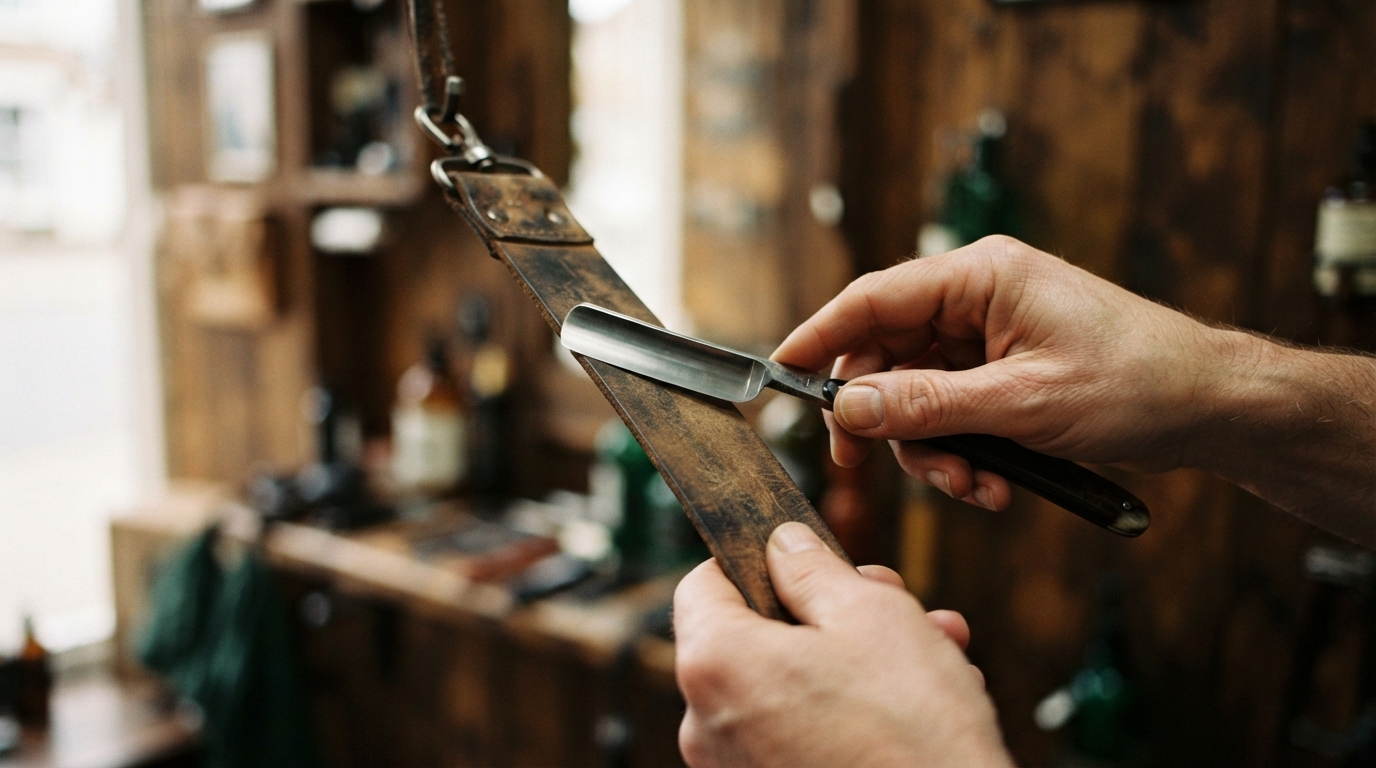
A premium barbershop depends on a clear sense of value. Customers are willing to pay more when they understand the quality of the cut, the level of service, the comfort of the space, and the predictability of the experience.
Before investing, you need to know whether you can sustain that standard every day, with an organized schedule, a trained team, and an offer that makes sense for the audience you want to serve.
- repeat business
- higher average ticket
- scheduled appointments
- standardized experience
What you need to understand before moving forward
Will your audience pay for the experience?
You need to identify who values convenience, more attentive service, and a better-resolved environment than the average neighborhood barbershop. If customers buy only on price, the premium proposition is fragile from the start.
Is the main service clearly defined?
Decide whether the operation will revolve around men’s haircuts, beards, packages, grooming services, or a combination of them. In a premium barbershop, offering too many services without a clear logic usually makes the offer harder to understand and weakens perceived value.
Can the schedule fit the customer’s routine?
Check whether the model works with booked appointments, quick openings, and predictable demand peaks. This business loses quality when waiting times grow too much or when the team works without a consistent standard.
Does the physical space match the positioning?
The space needs to reinforce the proposition you want to sell, from comfort to visual organization and internal flow. If the environment contradicts the price, customers notice the gap before the service even starts.
Can the team deliver a consistent standard?
Assess whether the professionals have the skill, the right attitude, and the ability to serve the same way on busy days and slow days. In a premium barbershop, the experience depends as much on execution as on the confidence the customer feels in the service.
The critical points of this business
Market
You need to understand what kind of customer lives nearby or within your catchment area, how often they get haircuts and beard trims, and what they value when choosing a place. The decision is not just about foot traffic, but about how well the audience matches the positioning.
Offer
The offer needs to be simple enough to understand quickly and complete enough to justify a higher price. Too many services can increase complexity without increasing perceived value.
Operations
The routine has to be designed to reduce waiting, maintain standards, and avoid rework. That includes scheduling, service time, cleaning, restocking supplies, managing walk-ins, and controlling haircut quality.
Financials
The business needs to show how much it costs to set up the space, keep the team, and sustain operations until the customer base becomes stable. The critical point here is knowing how many appointments and what service mix support the model you want to open.
Location
Location matters because a premium barbershop depends on convenience, easy access, and a sense of safety and care. You need to validate whether the address reinforces the positioning and makes repeat visits easier, not just whether people pass by.
People
The result depends on the technical skill and attitude of the people serving customers. In a personal service business, changing the professional can directly affect loyalty, so retention and training matter from day one.
What can compromise the business
Premium positioning without consistent delivery
Charging more without maintaining standards in the cut, service, and environment creates quick frustration. To avoid that, validate whether the team can repeat the experience during busy hours and under more pressure.
Too many services for the initial setup
Adding too many services at launch increases scheduling, inventory, and training complexity. The risk is losing focus on what drives returns and diluting the customer’s sense of what the barbershop does best.
Choosing the location based only on appearance
A nice address does not make up for difficult access, poor parking, or low convenience for the audience you want to keep coming back. Before signing, check whether the location fits the routine of people who will return often.
A team without a service standard
If each professional works differently, the experience becomes too inconsistent and customer trust drops. In this business, standardization is not a detail; it is part of the product.
Pricing that does not match the proposition
Too low a price weakens positioning; too high a price without a clear reason drives people away. You need to decide what supports the perceived value and whether that shows up in the service, the space, and the routine.
Turn these questions into decisions
Understanding the audience, the offer, and the operation is what separates a viable premium barbershop from a nice idea on paper. This is the stage where the plan stops being a vague impression and becomes an organized decision, with what you’ll offer, to whom, in what format, and with what structure.
Business Scope
Use this stage to turn the premium barbershop idea into a clear thesis: what problem it solves, which audience it wants to serve, and which assumptions need to be validated before opening.
Market Intelligence
Here you structure the analysis of the market, customer profile, and local competition to decide whether the premium positioning makes sense in your context and which signals to watch before investing.
Operational Plan
This stage helps you design the barbershop’s routine, from scheduling to service, including team, structure, and suppliers, so you know whether you can deliver the standard you promised.
Financial Modeling
Once the decisions are clearer, this stage turns the plan into numbers and shows how much investment, cost, and cash flow the model requires to operate safely.
Before investing, you should know
- How many appointments per day does your operation need to sustain the standard you want to offer?
- What share of revenue will come from haircuts, beards, packages, and complementary services?
- How much does it cost to build the space at the level of experience the customer will perceive as premium?
- How many professionals do you need at the start to serve customers without losing quality?
- What average service time fits the schedule without creating excessive waiting?
- What kind of customer do you want to retain, and how often will they likely come back?
- Does the chosen location make access, parking, and repeat visits easier?
Sua ideia merece mais do que um palpite. Estruture o negócio, teste suas premissas e entenda se ele faz sentido antes de comprometer tempo e dinheiro.
Planejar meu negócio no Vibz