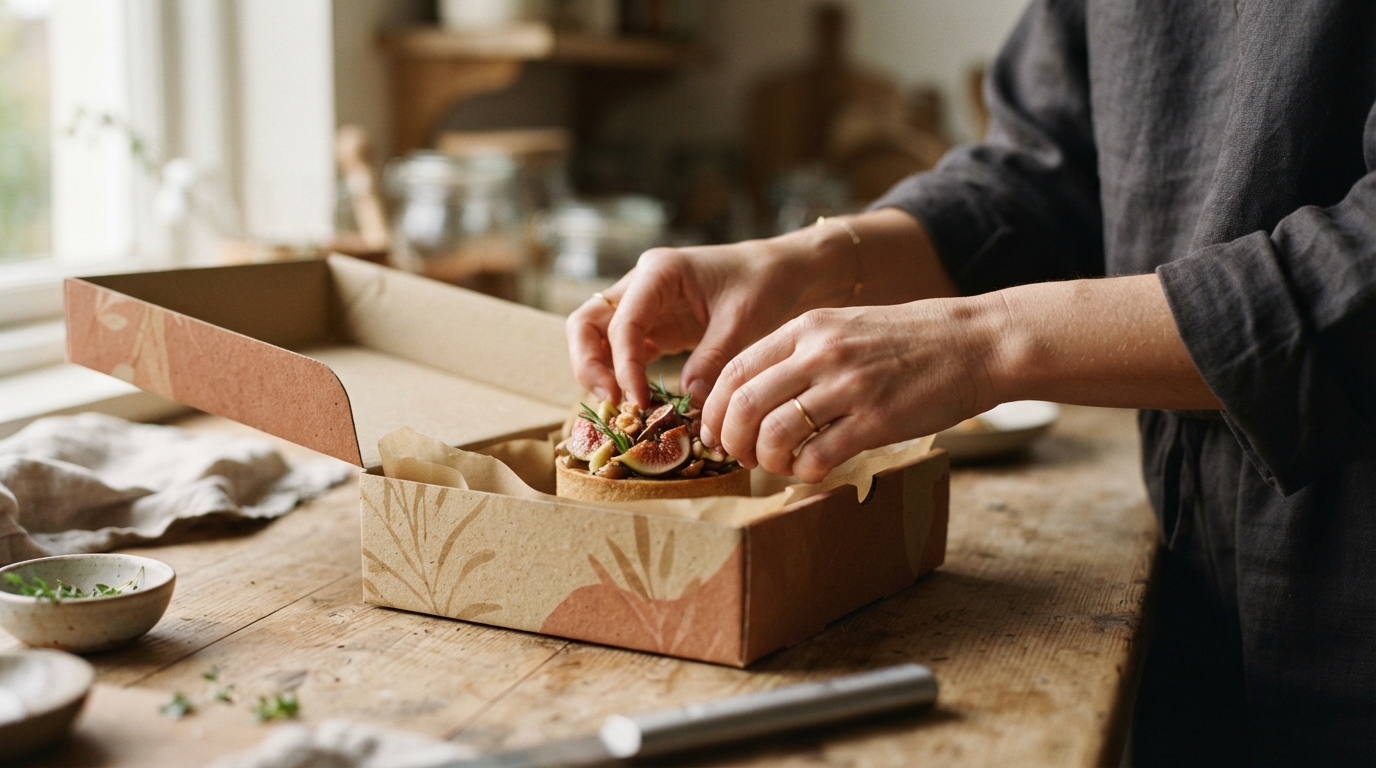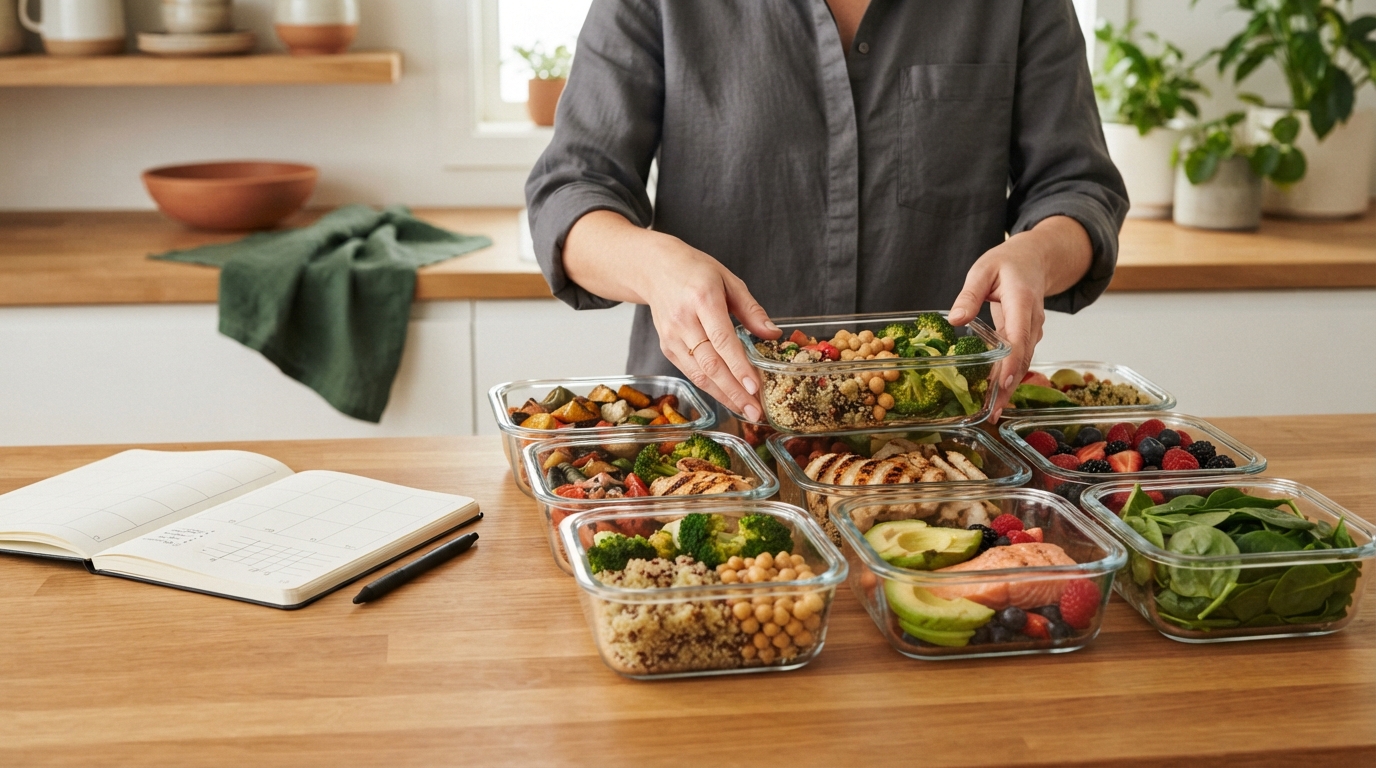
A meal prep business demands operational decisions from the start. You sell ready-made food with a short shelf life, tight margins, and the need for repetition; that is why every choice about menu, portion size, and sales channel directly affects the outcome.
Anyone entering this business needs to think like someone building a production routine, not just like someone preparing food. The core question is whether you can sell consistently enough to organize purchases, cook at the right volume, and deliver at the agreed time.
- daily production
- perishable product
- recurring sales
- scheduled delivery
What you need to understand before moving forward
Who are you selling to?
You need to decide whether you serve local workers, companies, students, or app orders and custom requests. Each audience changes purchase timing, portion size, price sensitivity, and delivery expectations.
Which menu fits your operation?
The menu needs to be short enough for you to buy, prepare, and assemble with consistency. The more options you add at the start, the higher the chance of leftover ingredients, longer prep time, and losing control over the cost of each meal.
Will you produce at home, in a rented kitchen, or in your own facility?
This decision changes health compliance, workflow, storage, and production capacity. Before moving forward, it is worth comparing what each format requires in space, equipment, licensing, and cleaning routines.
How will delivery work?
You need to decide whether you deliver yourself, use a courier, offer pickup, or sell in advance with a set time. With meal prep, delays and order mix-ups matter more than in many other businesses because the product has a short consumption window.
What minimum volume supports the operation?
Work out how many meals per day you need to sell to cover ingredients, packaging, fuel, fees, and your own time. Without that number, you may produce well and still fail to break even by the end of the month.
The critical points of this business
Market
You need to understand who buys meal prep in your area, which days they buy more often, and which sales format makes sense. Behavior changes a lot between one-off sales, weekly subscriptions, and company orders.
Offer
The offer needs to balance flavor, consistency, and production simplicity. In meal prep, customers notice quickly when portions vary, when the side dish does not match the main item, or when food loses quality in transit.
Operations
The operation needs to be designed in stages: purchasing, prep, cooking, assembly, cooling, packaging, and delivery. If one of these steps is not clear, you waste time, increase waste, and reduce your ability to deliver on time.
Financials
Here, unit cost and turnover matter most. You need to know how much each meal uses in ingredients, packaging, gas, delivery, and sales fees, as well as how much cash gets tied up in purchases before money comes back.
Regulation
Ready-to-sell food requires attention to hygiene rules, storage, handling, and business registration. Before investing, confirm what is required for production, labeling when frozen items are involved, and operating at the chosen address.
Channels
The channel defines the predictability of the business. Sales through WhatsApp, pickup, delivery, and company contracts all move at different rhythms, and you need to choose the one that matches your capacity without losing control.
What can compromise the business
Menu that is too broad
Too many options increase inventory purchases, assembly time, and the chance of order mistakes. The best approach is to validate a few combinations until you understand what sells consistently.
Pricing without unit cost
If you set prices by looking only at the market, you may sell a lot and earn very little. The risk appears when packaging, delivery, and losses are not included in the cost of each meal.
Production without a control routine
Without prep sheets, portion standards, and output records, the operation turns into improvisation. That affects quality, creates waste, and makes it hard to know which recipe actually pays off.
Delivery without a clear time window
Once a meal is outside the lunch window, it loses value quickly for the customer. If delivery is not tied to a predictable time, you create complaints and rework.
A structure larger than initial demand
Buying equipment and building out a kitchen before validating daily orders locks capital into assets that may sit idle. First you need to prove demand; then you expand the structure.
Turn these questions into decisions
In meal prep, the plan decides the business before you buy the first piece of equipment. You need to see demand, operations, and numbers as one system, because that is what shows whether the model holds up consistently.
Market Intelligence
It helps you structure who buys, in what context they buy, and which channel makes the most sense. That is what supports the answers about audience, repeat sales, and minimum volume.
Operational Plan
It is used to design production, packaging, suppliers, delivery, and the work routine before investing. This is the stage that connects menu, capacity, and delivery standards.
Financial Modeling
It turns your choices into cost per meal, capital needs, and cash flow projections. Here you test whether the expected volume actually pays for the operation.
Business Scope
It organizes the business thesis, making clear what problem you solve, for whom, and with what offer. That keeps you from starting with a vague idea and ending with an operation that is hard to control.
Before investing, you should know
- How many meals per day do you need to sell to cover ingredients, packaging, delivery, and your time?
- Which audience do you want to serve first, and why would they buy from you repeatedly?
- Which dishes can be produced with consistency without disrupting your prep routine?
- How much does each meal cost when you include everything that goes into production and delivery?
- What minimum setup do you need to produce with hygiene, proper storage, and a workable workflow?
- How will you sell at the beginning: custom orders, pickup, your own delivery, or company contracts?
Sua ideia merece mais do que um palpite. Estruture o negócio, teste suas premissas e entenda se ele faz sentido antes de comprometer tempo e dinheiro.
Planejar meu negócio no Vibz