
Use cases
Food and Gastronomy
Counter, shop and food businesses.
Categories

How to Start a Subscription Kitchen
Starting a subscription kitchen takes more than cooking well. You need to know who will subscribe, how often they will receive meals, how you will keep the standard consistent, and how much space the operation really requires before you commit money.
Read case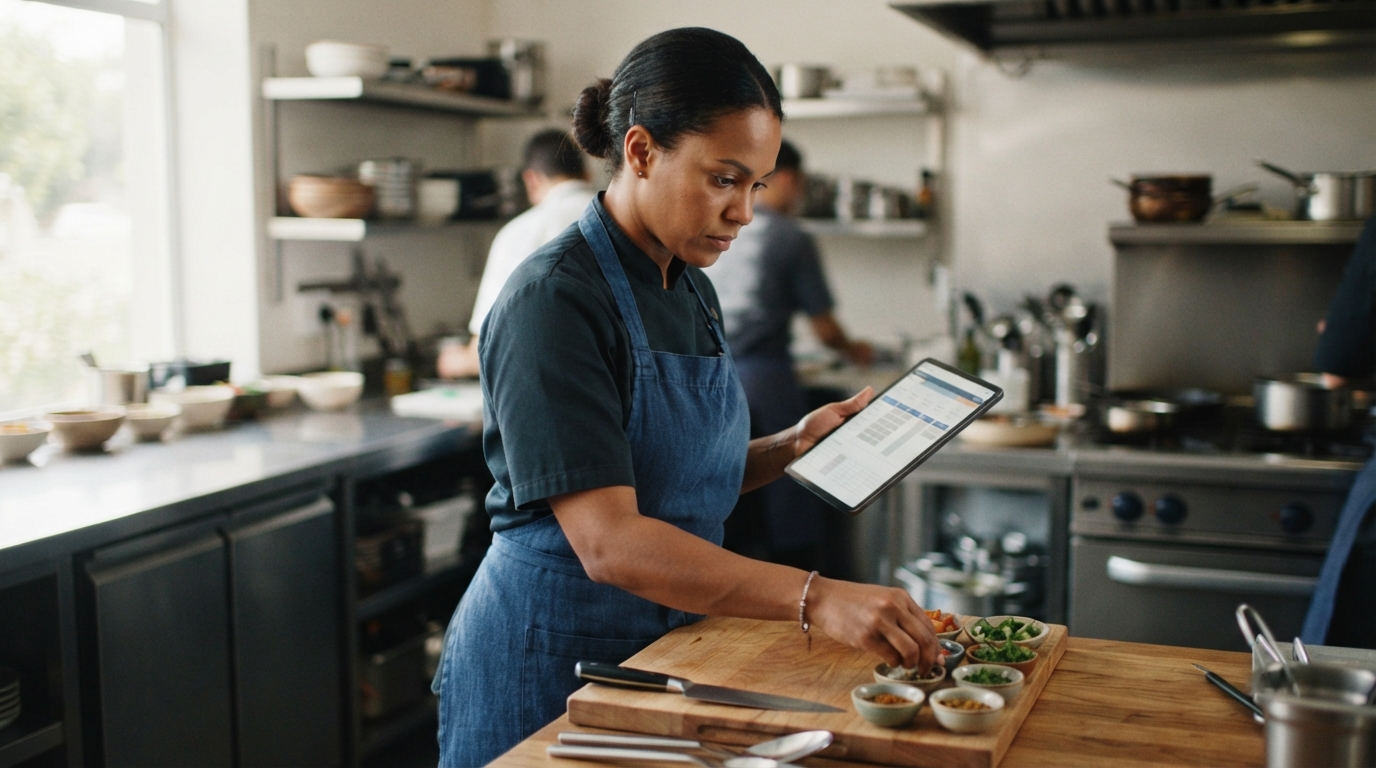
How to Open a Business Lunch Restaurant
Opening a business lunch restaurant may seem simple if you only look at the daily special. In practice, you're building an operation that depends on predictable lunchtime demand, fast service, waste control, and a financial model that works with tight average tickets.
Read case
How to Open a Themed Restaurant
Opening a themed restaurant takes more than picking a nice concept. You need to validate whether the idea can handle the daily reality of operations, whether the theme helps sell, and whether the average ticket justifies the complexity it creates.
Read case
How to Open a Traditional Restaurant
Opening a traditional restaurant means making the right decisions before you sign a lease or buy equipment. The type of cuisine, the pace of service, and the need for staff make this business look simple from the outside and complex in practice.
Read case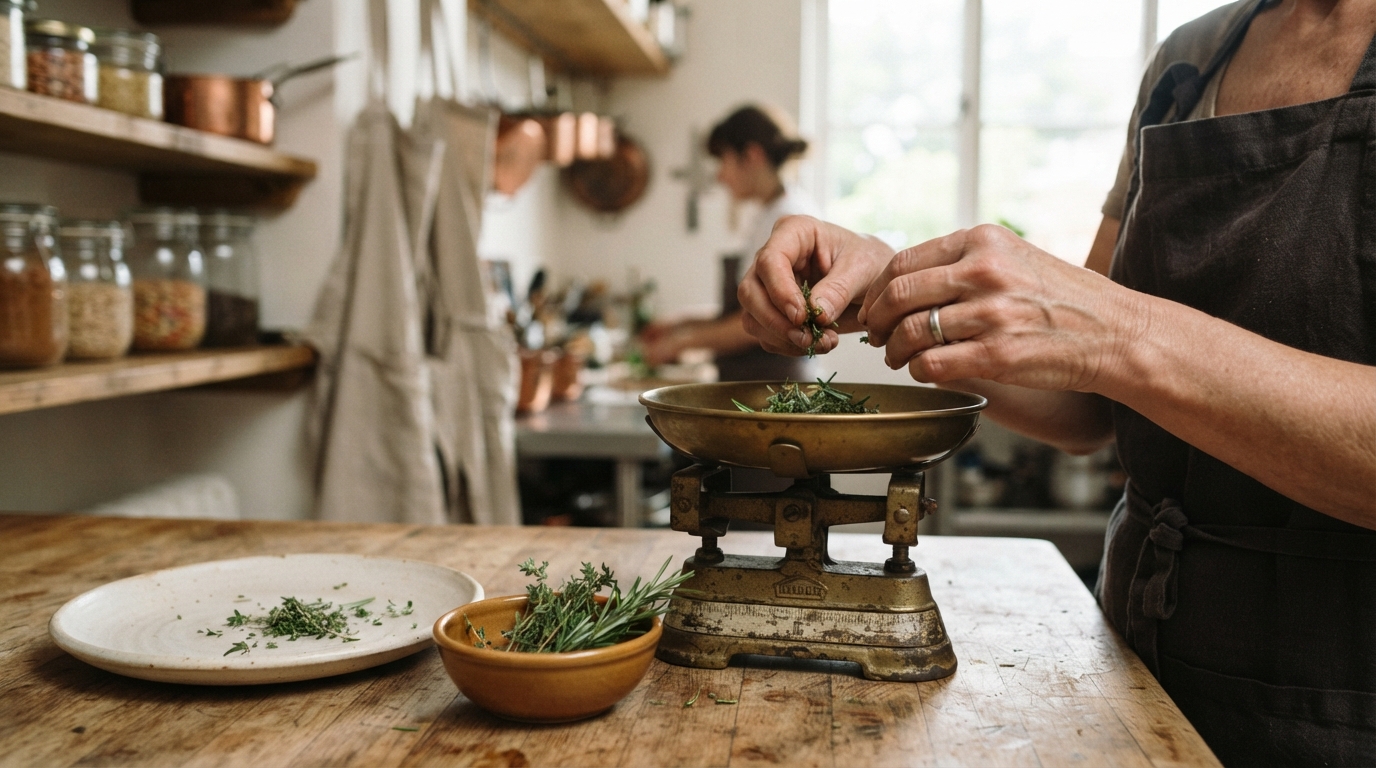
How to Open a Buffet-by-Weight Restaurant
Opening a buffet-by-weight restaurant may look straightforward from the outside, but the right decision depends on three things that need to be clear before you invest: who will eat there, how you will price it, and how many meals the operation can deliver without losing control. If those answers are not well defined, the business becomes an expensive bet, even with steady traffic at the door.
Read case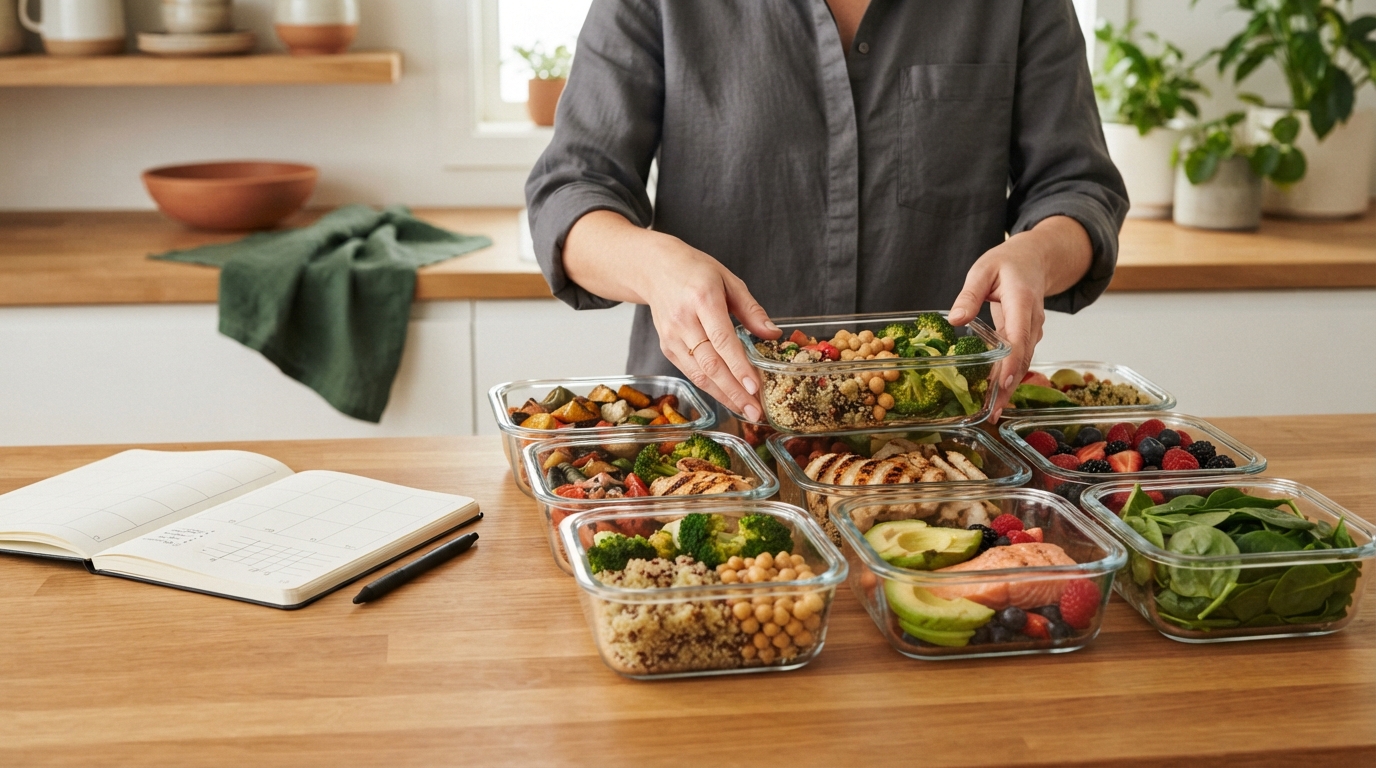
How to Start a Meal Prep Business
Starting a meal prep business sounds simple until you separate recurring sales from day-to-day operations. What determines whether this business works is not just cooking well, but getting the menu, production, packaging, delivery, and demand predictability right before taking on fixed costs.
Read case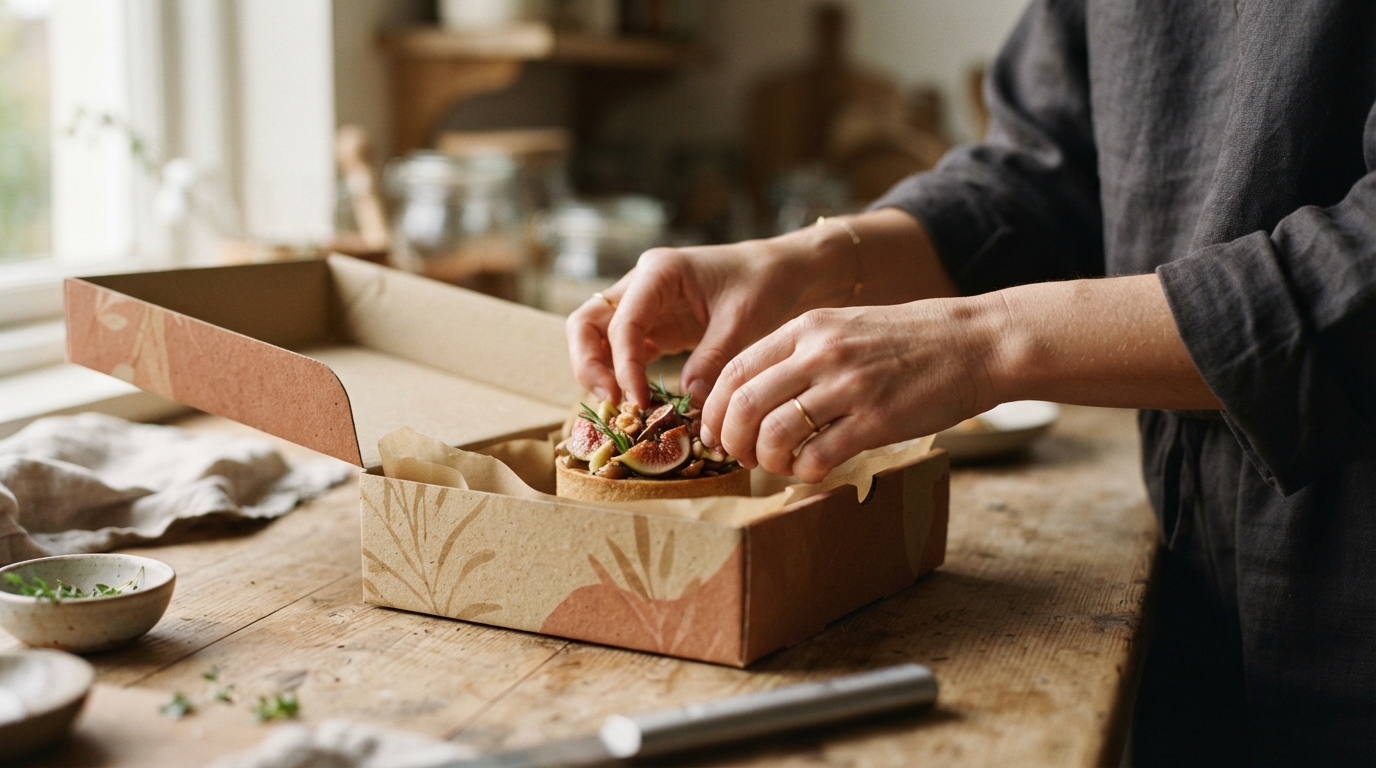
How to launch a specialized delivery business
Starting a specialized delivery business may seem straightforward when you focus only on the product. In practice, the decision depends on a lean menu, a stable operation, the right packaging, and numbers that still make sense after fees, waste, and delivery.
Read case
How to open a pastry shop
Opening a pastry shop sounds straightforward until you separate what sells well from what takes real effort, and what can be made to order from what needs to be ready in the display case every day. Before investing, you need to decide which kind of production will keep the business running, how you will sell, and what has to happen so the operation does not depend on improvisation.
Read case
How to open a sweet shop: what to plan before investing
Opening a sweet shop sounds straightforward until you put on paper what really decides the business: product variety, short shelf life, daily production, and impulse buying. Before you think about the display case, you need to know whether you can produce consistently, sell at the right pace, and keep margins after losses and waste.
Read case
How to open a coffee shop
Opening a coffee shop looks simple until you separate what is product, what is operation, and what is the sales routine. The business depends on average ticket, turnover, waste, preparation standard, and location choice, so it is worth planning before signing any contract.
Read case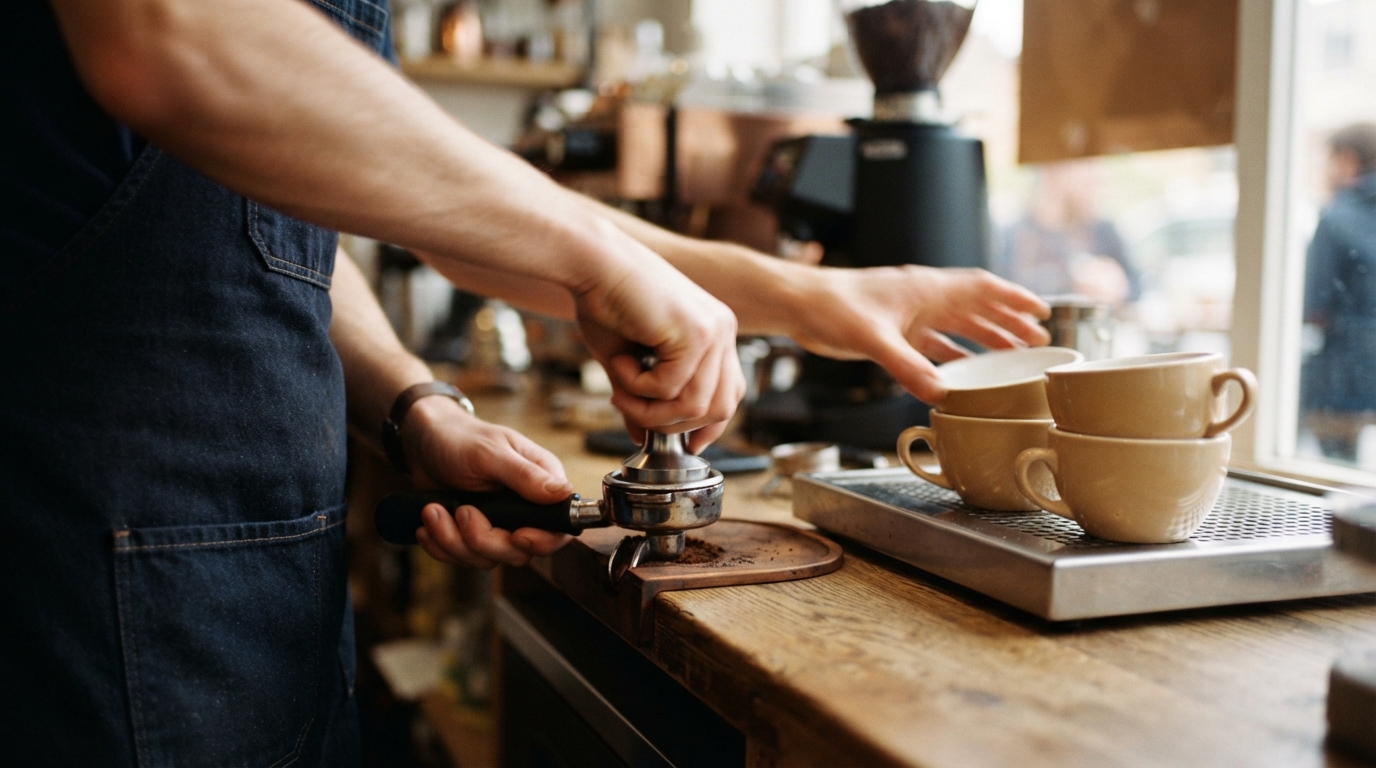
How to Open a Coffee Kiosk
Opening a coffee kiosk looks simple from the outside, but the decision depends on foot traffic, average ticket, production routine, and service speed. If you get these points wrong, the problem doesn’t show up in the concept. It shows up in the daily operation.
Read case
How to Open a Specialty Coffee Shop
Opening a specialty coffee shop sounds straightforward until you have to decide what to sell, who to sell to, and how to keep standards without slowing the operation down. In this kind of business, the difference between a pleasant space and a viable one comes down to clear positioning, a solid production routine, and the volume the location can actually support.
Read case