
Food and Gastronomy
Restaurants
Explore Restaurants businesses
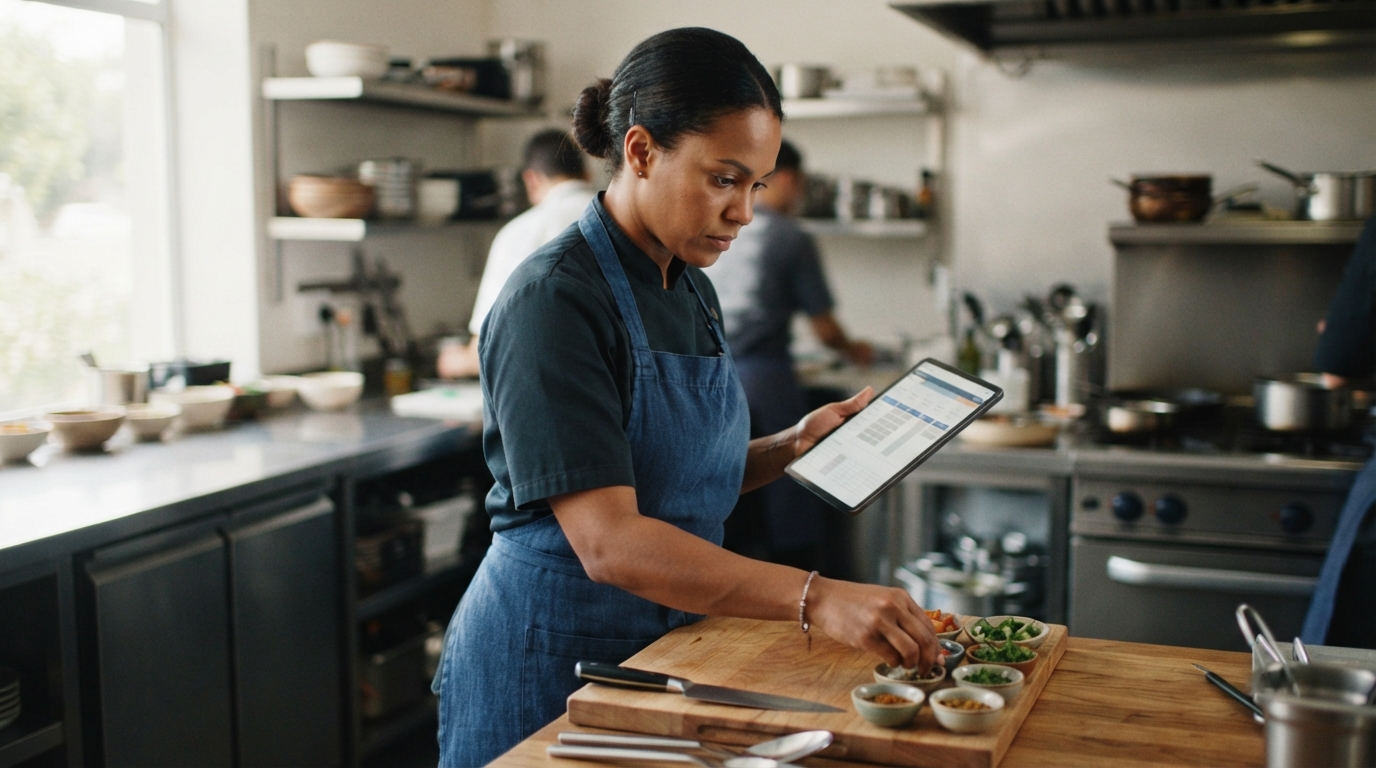
How to Open a Business Lunch Restaurant
Opening a business lunch restaurant may seem simple if you only look at the daily special. In practice, you're building an operation that depends on predictable lunchtime demand, fast service, waste control, and a financial model that works with tight average tickets.
Read case
How to Open a Themed Restaurant
Opening a themed restaurant takes more than picking a nice concept. You need to validate whether the idea can handle the daily reality of operations, whether the theme helps sell, and whether the average ticket justifies the complexity it creates.
Read case
How to Open a Traditional Restaurant
Opening a traditional restaurant means making the right decisions before you sign a lease or buy equipment. The type of cuisine, the pace of service, and the need for staff make this business look simple from the outside and complex in practice.
Read case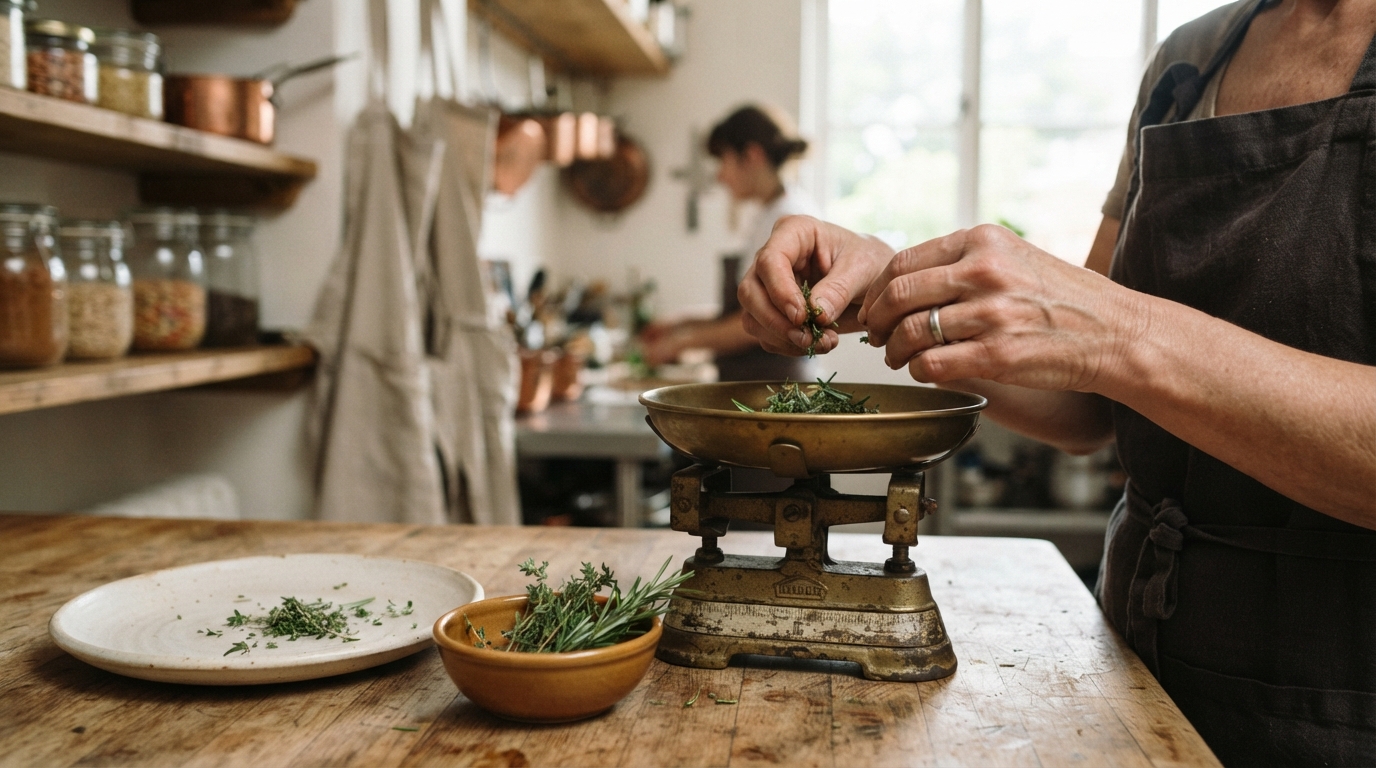
How to Open a Buffet-by-Weight Restaurant
Opening a buffet-by-weight restaurant may look straightforward from the outside, but the right decision depends on three things that need to be clear before you invest: who will eat there, how you will price it, and how many meals the operation can deliver without losing control. If those answers are not well defined, the business becomes an expensive bet, even with steady traffic at the door.
Read case