A pickles and jam processing business does not start in the kitchen. It starts with the choice of fruit or vegetables, the supply setup, the quality standard you can repeat, and the channel that will absorb the product consistently.
This kind of business requires attention to batch production, shelf life, labeling, kitchen setup, and supply consistency. If you get the raw material estimate, processing capacity, or sales channel wrong, the problem shows up quickly in inventory and cash flow.
- batch production
- seasonal raw materials
- short shelf life
- mandatory labeling
What you need to understand before moving forward
Is your raw material supply stable?
You need to know where your fruits, vegetables, or other inputs will come from throughout the year, in what condition they arrive, and how harvest variation affects price, quality, and volume. Without that, production becomes irregular and costs shift right when you need predictability.
Which product should come first?
Pickles and jams are close in appearance, but they require different processes, packaging, and positioning. The initial decision should consider what you can standardize better, sell more consistently, and produce without slowing the operation down.
Who will buy regularly?
You need to identify whether the focus will be retail, specialty shops, local markets, gift boxes, or direct sales. Each channel requires different margins, packaging, volume, and restocking rhythm, and that changes the business structure completely.
Can your operation handle small batches?
This kind of business usually starts with smaller batches and limited variety. It is worth checking whether your setup can cook, fill, label, store, and control shelf life without losing consistency from one batch to the next.
Does the packaging support the positioning?
Packaging is not just there to protect the product. It needs to communicate origin, quality, composition, and use, while also meeting labeling requirements and holding up during transport and storage in the channel you choose.
Can you sell before you scale up?
Before thinking about a larger line, you need to know whether the product moves in the chosen channel and how fast. That keeps you from expanding production based on expectation while the business has not yet proven repeat purchases.
The critical points of this business
Market
You need to understand which products have real demand around you and which channels suit them best. In pickles and jams, buying usually depends on trust, proof of quality, and repeat business, so the market is measured not only by interest, but by repeat purchases.
Offer
The offer needs to be narrow at the start. If you launch with too many variations, it becomes harder to standardize recipes, control shelf life, buy inputs properly, and explain to customers why that product deserves shelf space.
Operations
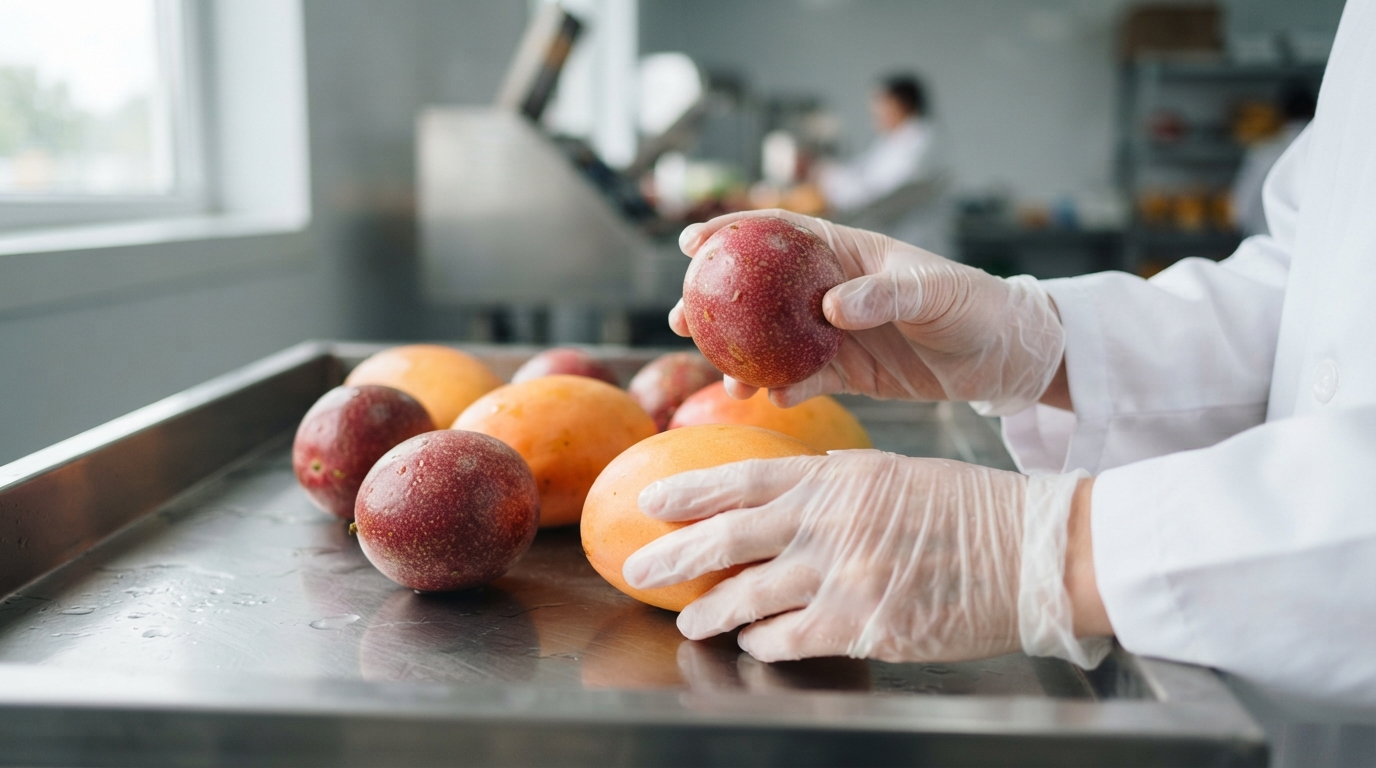
You need to validate steps such as selection, washing, cooking, filling, sealing, cooling, labeling, and storage. In a pickles and jam business, small process failures affect consistency, safety, and product shelf life.
Regulation
This is a sensitive point because you will deal with food production, labeling, and, depending on the case, sanitary requirements and formal registration rules. Before investing, confirm what your operation must comply with in order to sell legally in the channel you want to serve.
Financials
Money comes in slowly and goes out first, because you buy ingredients, packaging, and setup before selling the batch. That is why the numbers need to show how much capital is tied up in raw materials, inventory, and payment terms.
Channels
The channel defines the business just as much as the recipe does. Direct sales, resellers, gift baskets, and local markets call for different packaging, volumes, and commercial terms, and you need to choose a path that fits your production and replenishment capacity.
What can compromise the business
A product line that is too broad
Starting with too many recipes increases inconsistency, confuses customers, and makes inventory control harder. The risk is producing well on paper and poorly in practice, with batches too small to support the operation.
Dependence on raw materials without a harvest plan
If you do not map out origin, seasonality, and backup supply options, production stops when ingredients run out or become too expensive. That hurts both continuity and margin.
A sales channel that does not match shelf life and turnover
Not every pickle or jam product can sit on a shelf for long before it sells. If the channel moves slowly, inventory ages, capital gets tied up, and you lose flexibility to restock safely.
A setup built without validating sanitary requirements
Buying equipment before understanding what the operation needs to comply with can create expensive rework. The right move is to check the requirements for the product type, the space, and the sales channel before finalizing the setup.
Pricing without accounting for packaging and losses
In pickles and jams, packaging, labeling, process losses, and returns can matter more than they first appear. If the price is not based on the full cost, sales may grow while results get worse.
Turn these questions into decisions
In this business, planning well is not bureaucracy. It is what separates a production line that moves consistently from an operation that builds inventory, loses standard, and strains cash flow, and Vibz is where you organize those decisions before investing.
Business Scope
It helps you define which pickles or jams come first, who buys them, what problem the product solves, and which bets need to be validated before expanding the line.
Market Intelligence
It helps structure your view of the market, compare sales channels, understand buying behavior, and organize the questions around demand, repeat purchases, and positioning.
Operational Plan
It shows how to design the operation before buying equipment, including processes, setup, suppliers, team, and channels, so you do not end up with a kitchen that cannot keep up with production.
Financial Modeling
It turns business decisions into numbers, so you can see investment, costs, working capital, and viability scenarios before committing money.
Before investing, you should know
- Which products will you make in the first batch?
- Where will the raw materials come from throughout the year?
- Which channel will receive the product first?
- What packaging does your channel require?
- What minimum setup does your production need?
- Which sanitary and labeling requirements do you need to meet?
- How long can the product sit before it sells?
Sua ideia merece mais do que um palpite. Estruture o negócio, teste suas premissas e entenda se ele faz sentido antes de comprometer tempo e dinheiro.
Planejar meu negócio no Vibz